How to Match Your Chair to a Standing Desk for Breaks
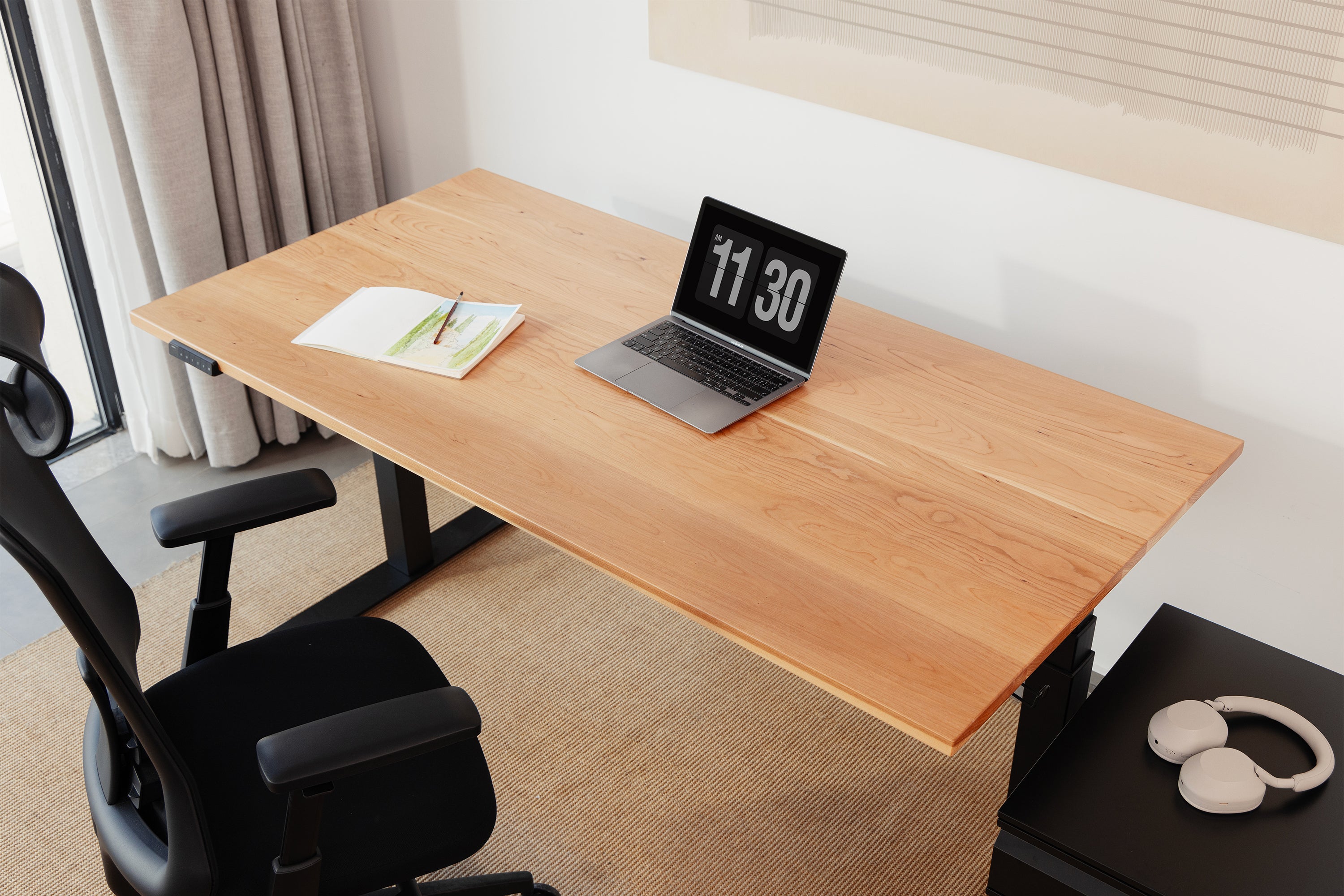
A good workstation is not just about the time you spend standing. It is also about how well your seated breaks support the rest of the day. Many people focus on the desk and forget the chair, even though the right chair can make transitions smoother, reduce fatigue, and help the body recover between standing sessions. When both pieces work together, the office feels easier to use and less demanding on the back, hips, shoulders, and legs.
The goal is not to sit for long stretches after standing. The goal is to use the chair as a reset point. A well-matched chair should support neutral posture, allow smooth movement back to standing, and fit the way you work. The following guide explains how to choose a chair that complements your standing setup rather than competing with it.
Standing Desks: start with the right break rhythm
Before choosing a chair, think about how often you plan to sit and for how long. A standing-focused workspace works best when sitting acts as a short recovery period instead of a full-day default. That means the chair does not need to become the center of the room, but it does need to provide enough support for meaningful breaks. The right rhythm often includes standing for focused work, then sitting briefly to ease the lower body and restore comfort.
Use the chair as part of a cycle. Stand during calls, quick tasks, or planning blocks, then sit when you need a posture reset or a few minutes of rest. This pattern keeps the body from staying locked in one position too long. It also makes the workspace feel more natural because each tool has a clear role. The desk supports active work, while the chair supports recovery.
Sit Stand Desk: choose a chair that supports short transitions
A sit stand desk works best when the move between positions feels easy and quick. If the chair is too heavy, too low, or too awkward to enter and exit, people often avoid using it. That can lead to more time standing than the body wants or more time sitting than the body needs. A good break chair should make transitions feel smooth rather than disruptive.
Look for a chair that allows you to settle in and stand up without effort. The seat height should be easy to adjust, and the chair should let your feet land firmly on the floor. In many cases, the simplest chair is the one that works best because it avoids complicated controls and keeps the body in a predictable position. Predictability is important when posture changes several times a day.
Vernal Standing Desk: keep the chair and desk in visual balance
The chair should fit the desk not only in height but also in visual scale. When a workstation looks balanced, it tends to feel easier to use. A chair that is too bulky can make the area feel crowded, while one that is too small may look temporary or unstable. A well-proportioned setup helps the room feel intentional and calm, which can improve how often people actually use it.
Visual balance matters because it shapes habit. If the space feels organized and clean, the body tends to follow that order more easily. A chair with a simple silhouette, a stable base, and enough room to move around it can make the entire station feel more coherent. When the desk and chair belong together, the workspace is easier to return to throughout the day.
Adjustable Height Desk: match chair height to the seated reset
The chair should support your seated breaks at a height that lets the body relax without collapsing into poor posture. With an adjustable setup, it becomes easier to keep the desk, chair, and monitor aligned. The seat should allow the feet to rest flat on the floor, the knees to bend comfortably, and the shoulders to remain loose. If the chair is too high or too low, the seated break may create new discomfort instead of relieving old tension.
Think of your seated break as a temporary reset, not a complete switch in posture quality. You still want the spine supported, the pelvis neutral, and the elbows relaxed. A good chair height makes it possible to sit for a short time without undoing the benefits of standing. That makes it much easier to move back to work feeling refreshed instead of stiff.
Electric Height Adjustable Desk: use quick changes to protect the chair break
If the standing portion of the day changes easily, it becomes easier to use the chair as a purposeful break rather than a fallback. A powered desk helps create that rhythm by making adjustment fast and predictable. Once the height changes are simple, the workstation can move naturally between seated and standing modes without interrupting the flow of work.
That matters because a chair works best when it is part of a larger system. If the desk is difficult to change, people may stay seated longer than intended or avoid standing because the transition feels too complicated. An easy adjustment process makes it simpler to use the chair in short, intentional intervals. The smoother the full setup, the more likely the body is to stay comfortable across the day.
Adjustable L Shaped Desk: create a corner for seated recovery
A corner layout can make seated breaks more effective because it gives the room distinct zones. One section of the desk can hold the active work area, while the other can support the chair break, reference material, or secondary tasks. That separation keeps the station organized and makes it easier to move between standing and sitting without rearranging everything.
A chair near an L-shaped surface should feel like part of a recovery zone. It should be easy to slide into place, easy to leave, and easy to keep clear of clutter. The corner arrangement can also help define a more relaxed seated posture because the user can turn slightly toward a less active side of the desk. That distinction between work zone and break zone can make sitting feel more restorative.
Stand Up Executive Desk: pair a polished chair with a professional look
In a professional office, the chair should support comfort without making the workspace feel too casual or mismatched. A more polished desk setup often benefits from a chair that looks stable, refined, and intentional. That does not mean it needs to be elaborate. It means it should suit the overall tone of the room and feel appropriate for meetings, planning, or client-facing use.
When the chair and desk both feel composed, the office sends a clear message: this is a place for focused work and thoughtful breaks. That can be especially helpful in a shared environment or a leadership space where appearance matters. The right combination helps the room feel structured without becoming rigid. Comfort and professionalism can support each other when the layout is chosen well.
Wood Standing Desk: soften the break area with a warm finish
Material choice can influence how the whole setup feels, including the chair. A natural desk finish often creates a calmer atmosphere, which makes the seated break feel less abrupt and more inviting. If the room feels warm and balanced, people may be more willing to use the chair properly instead of settling into a careless slump. That is important because the quality of the break affects the quality of the next standing session.
A softer visual environment can also make the chair feel like part of the room rather than an afterthought. The right finish gives the space a sense of continuity, which helps the body relax more easily. When the desk, chair, and room tone all complement one another, the workstation becomes easier to use and easier to enjoy.
Vernal Space Reviews: learn how others balance chair and desk comfort
Before choosing a setup, it helps to read how other users describe their daily experience. Feedback can reveal whether the chair feels supportive during short breaks, whether the desk is easy to adjust, and whether the workstation stays comfortable over time. This kind of real-world insight is especially useful when you want a chair that complements standing rather than undermining it.
Look for repeated patterns in user feedback rather than one-off comments. If people consistently mention stability, easy adjustment, and a smooth day-to-day experience, that often signals a reliable setup. Reviews can help you make a more informed choice by showing how the chair and desk work together in practice, not just in product photos.
How to tell if the chair is truly a good match
A chair is a good match when it helps you recover without encouraging you to stay seated too long. You should be able to sit down quickly, feel supported right away, and stand up again without awkward effort. The seat should not make the break feel too soft or too restrictive. Instead, it should offer a stable place to pause before returning to upright work.
Pay attention to the small signs. If you feel more rested after sitting for a few minutes, the chair is probably helping. If you feel stuck, compressed, or slower to get back up, the chair may not fit the desk or the routine. The best match supports movement, not inertia. That is the real purpose of a break chair in a standing-focused office.
Build a comfortable cycle that supports the whole day
Matching a chair to a standing desk is really about designing a smarter work rhythm. Standing gives the body variety, while the chair gives it a brief chance to recover. When those two tools are chosen together, the desk no longer feels like a place where you must choose between comfort and productivity. It becomes a flexible station that supports both.
The best setup is the one that feels natural to return to again and again. If the chair is easy to use, the desk is easy to adjust, and the room feels balanced, your break routine will become more sustainable. Over time, that can mean less fatigue, better focus, and a more comfortable day from start to finish.

Comments
Post a Comment